
SKU: 872105
100K Thermistor
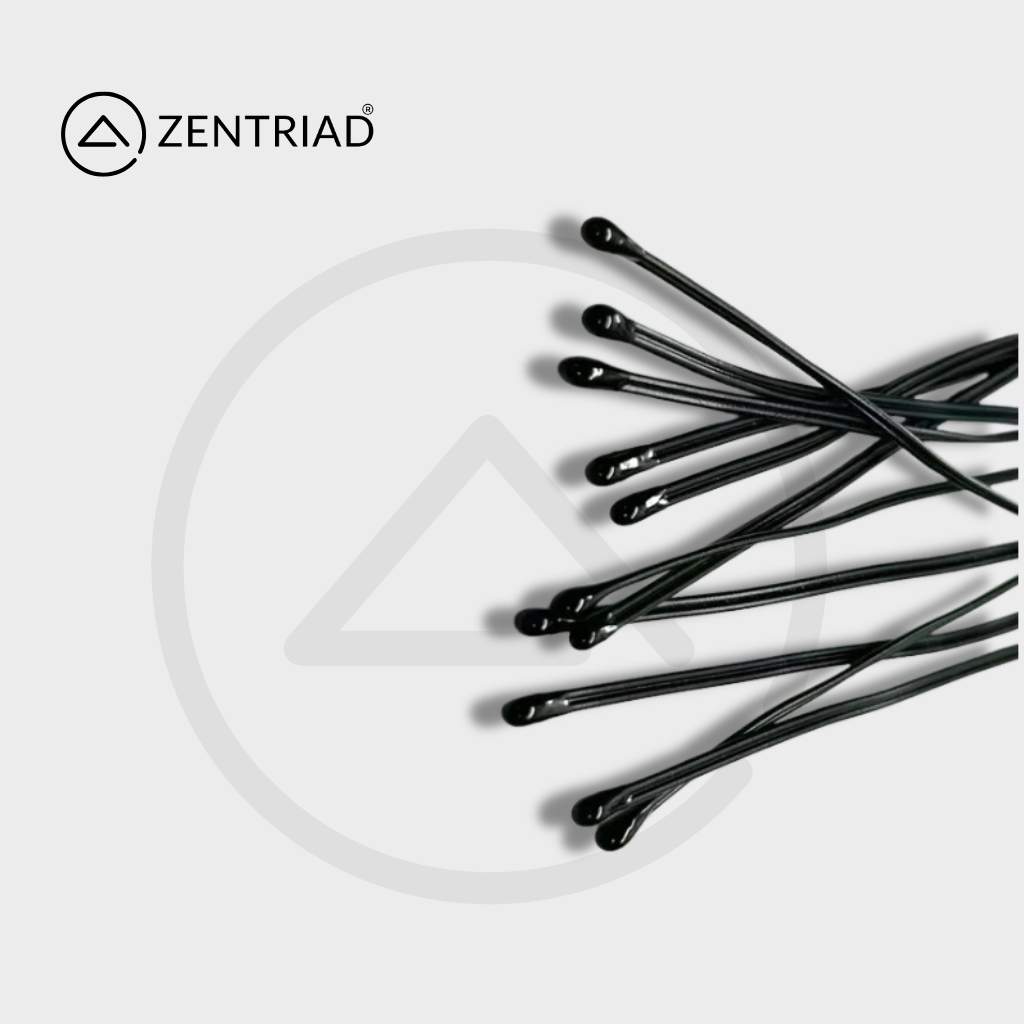
High-precision 100k ohm NTC thermistor with a 3950 B-value. Specifically designed for 3D printer hotends and heatbeds, providing accurate temperature readings up to 250°C.
🛒 Buy 100K Thermistor NowThe 100K Thermistor is the industry standard for 3D printing and high-temperature IoT projects. Featuring a glass-encapsulated NTC bead, this sensor offers a balance of durability and rapid thermal response. Whether you are replacing an Ender 3 hotend sensor or building a custom heat controller, the 100K NTC 3950 provides reliable performance.
Main Features
| Nominal Resistance | 100kΩ at 25°C |
| B-Value (B25/50) | 3950K ± 1% |
| Resistance Tolerance | ± 1% |
| Operating Temp Range | -50°C to +250°C |
| Dissipation Factor | ≥ 2.0mW/°C |
| Thermal Time Constant | ≤ 10 seconds (in air) |
| Lead Wire | Tin-plated copper / High-temp insulation |
| Head Construction | Glass Encapsulated Bead |
- 10k thermistor → 10,000 ohms at 25°C
- 100k thermistor → 100,000 ohms at 25°C
- 100k → more sensitive at lower temps, lower current draw
- 10k → more common, better noise immunity, easier interfacing
- NTC 10k thermistor: Nonlinear, very sensitive, cheaper
- PT100 (RTD): Linear, highly accurate, more stable over time, 100Ω at 0°C
- NTC (Negative Temperature Coefficient) → resistance ↓ when temp ↑
- PTC (Positive Temperature Coefficient) → resistance ↑ when temp ↑
- Circuit response will differ
- Voltage divider scaling changes
- -40°C to 125°C (standard)
- Some models go up to 150°C or higher depending on design and encapsulation
- Temperature sensing (HVAC, appliances)
- Battery management systems
- 3D printers (very common for hotend & heatbed)
- Inrush current limiting (in power supplies)
- Higher sensitivity for precise temperature measurement
- Better suited for accurate sensing applications
- Cheaper and more widely available
- 100k: More sensitive at low temps, lower current draw
- 10k: More common in consumer electronics, better noise performance at higher temps
- 125°C continuous operation
- Up to ~150°C peak (depends on build quality and encapsulation)
- Set your multimeter to ohms (Ω) mode
- Measure resistance at room temperature (~25°C) — it should read close to 100kΩ
- Warm the thermistor with your hand or a heat gun
- Resistance should drop — this confirms correct NTC behaviour
For bulk orders or technical support on the 100K Thermistor, contact our regional offices:
Zentriad India: +91 80868 61017 | info@zentriad.com
Location: Thrissur, Kerala & Gandhinagar, Gujarat.
Why the 100K Thermistor is Essential for 3D Printing
When it comes to 3D printing, temperature precision is the difference between a successful print and a nozzle clog. The 100K thermistor is the most common sensor used in FDM printers because of its ability to handle high temperatures up to 250°C.
The NTC 100K 3950 model is specifically calibrated to work with 3D printer controller boards like SKR, RAMPS, and Creality original boards. Because it is an NTC (Negative Temperature Coefficient) sensor, its resistance drops as the hotend heats up, allowing your printer to maintain a steady melting point for PLA, ABS, and PETG filaments.
Where to buy 100K Thermistor online in India?
Zentriad is a leading supplier of 100k ohm thermistors in India. We offer high-quality glass-encapsulated sensors that are tested for accuracy. Whether you are a hobbyist in Kerala or an industrial manufacturer in Gujarat, we provide fast shipping and bulk discounts on all our temperature sensors.
info@zentriad.com